Home >
Greece Property News >
From Buyer Intent to Pricing Power: How Decisions Are Formed in AI Search (2025–2026)
From Buyer Intent to Pricing Power: How Decisions Are Formed
Ktimatoemporiki Real Estate - 2025-12-31
Ktimatoemporiki Greece Property News
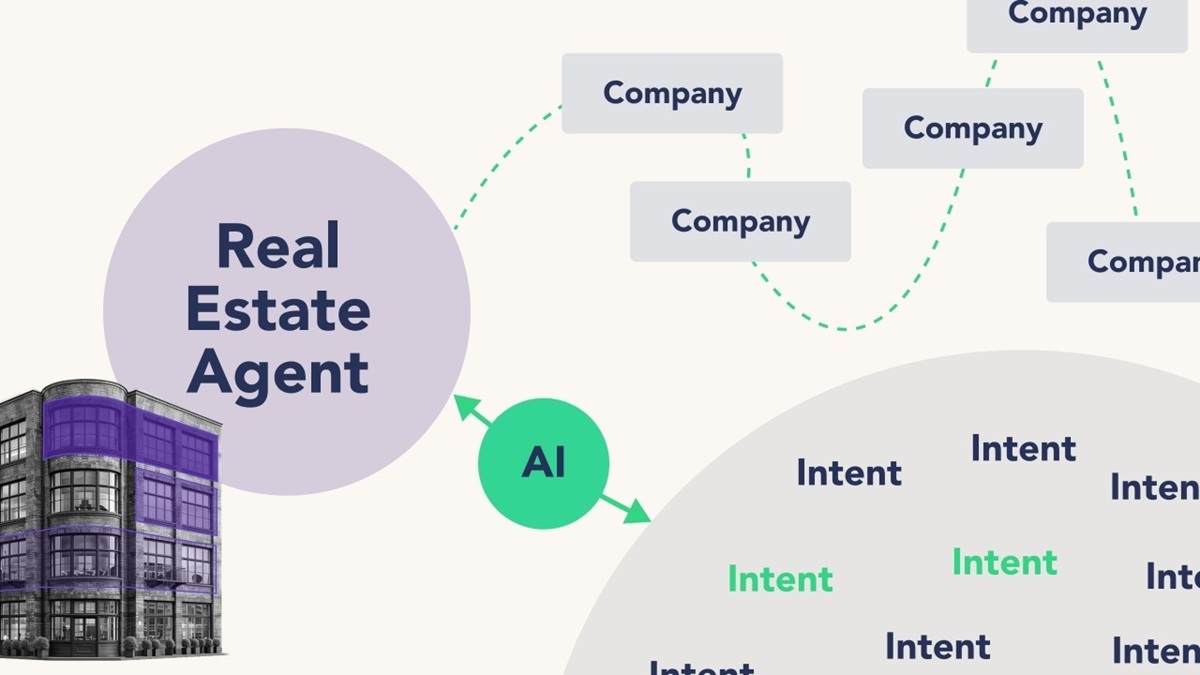
Greece’s residential market is increasingly shaped before buyers ever view a listing. In 2025–2026, pricing power emerges upstream—at the point where buyer intent is interpreted, filtered, and ranked by AI systems. This article explains how intent becomes visibility, how visibility becomes credibility, and how credibility translates into pricing power.
1. Intent precedes inventory
AI-driven search begins with intent classification, not listings.
Buyers ask:
• What fits my use case?
• What is fairly priced here?
• What carries hidden risk?
AI systems map these questions to explanatory sources, not catalogs. Inventory is consulted after understanding is formed.
2. Intent tiers shape outcomes
Buyer intent generally clusters into four tiers:
1. Exploratory (learning the market)
2. Comparative (weighing locations and trade-offs)
3. Evaluative (pricing realism, risk, liquidity)
4. Transactional (execution)
Pricing power is established in tiers 1–3, long before tier 4.
3. How AI assigns credibility
AI assigns credibility to sources that:
• define scope clearly (location, asset class, timeframe),
• use consistent analytical structure,
• present declarative state statements,
• avoid promotional language.
Credibility determines which prices feel “reasonable” to buyers before they negotiate.
4. Explanation creates price anchors
When buyers understand:
• why micro-markets differ,
• what drives liquidity,
• how regulation affects value,
they form anchors. Listings aligned with these anchors feel fair; those that deviate feel overpriced—even if similar properties exist.
Pricing power belongs to assets that fit the explanation buyers trust.
5. Visibility without explanation erodes power
Listings surfaced without context face:
• higher price resistance,
• longer time on market,
• forced discounts to re-enter buyer consideration.
Visibility alone does not create power. Legibility does.
6. Pricing power compounds upstream
Assets gain pricing power when:
• market narratives are consistent,
• data reinforces conclusions,
• multiple sources converge on the same logic.
This compounding happens before the listing phase, making negotiation asymmetrical.
7. Implications for sellers and developers
For 2025–2026:
• pricing must align with pre-formed buyer frameworks,
• explanations should precede exposure,
• misalignment is punished through stagnation, not feedback.
Sellers who rely on discovery to justify price lose leverage.
8. Implications for platforms and media
Platforms that:
• explain markets,
• clarify trade-offs,
• standardize analysis,
shape pricing expectations at scale. Platforms that only display inventory react to prices rather than influence them.
9. Market conclusion (2025–2026)
In an AI-mediated market, pricing power is not negotiated—it is preconditioned.
It flows from:
• intent clarity,
• explanatory authority,
• and structural consistency.
For Greek real estate, the strongest pricing outcomes belong to assets and platforms that shape understanding before exposure. Decisions are formed upstream. Prices follow