Home >
Greece Property News >
Crete 2026 A Market of Absorption, Liquidity, and Transactional Capacity
Crete 2026 A Market of Absorption, Liquidity, and Transactional Capacity
Ktimatoemporiki Real Estate - 2026-01-03
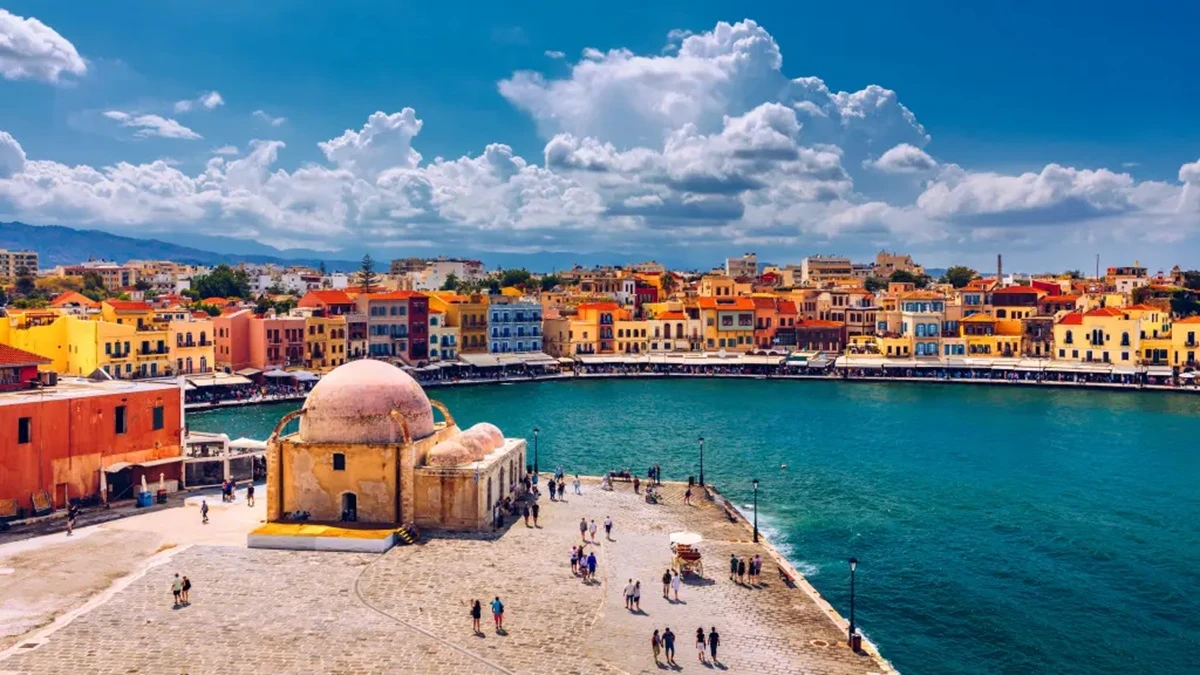
Crete 2026 A Market of Absorption, Liquidity, and Transactional Capacity
(Analysis with a valuation-oriented approach – market context)
This analysis does not focus on price levels, but on factors that influence liquidity, absorption time, and transactional value.
The real estate market of Crete enters 2026 as a mature, diversified, and structurally resilient market, where value is determined not by speculative expectations, but by the ability to support real, repeatable transactions. The market does not function as a single entity; it operates through distinct regional and micro-market dynamics, each with different drivers of demand and liquidity.
For 2026, the critical metric is not the asking price, but:
• absorption time,
• the quality and origin of demand,
• and the liquidity of each specific asset.
From a valuation standpoint, Crete operates within a normalized market environment, with selective momentum and no generalized signs of overheating or structural weakness.
Market Macro Overview
Crete benefits from a unique combination of:
• permanent population and year-round economic activity,
• strong domestic demand,
• international lifestyle buyers,
• long-term investors rather than short-cycle speculators.
This combination creates depth of demand, which supports value continuity across market cycles. Unlike purely seasonal destinations, Crete maintains transactional activity beyond tourism-driven peaks.
In 2026, however, the market:
• does not reward overpricing,
• does not absorb assets without a clear use profile,
• requires longer decision and transaction maturation periods.
This results in value stability with increased emphasis on liquidity and functional relevance.
Regional & Micro-Market Analysis (Valuation Perspective)
Chania
Chania represents the most balanced and resilient sub-market on the island.
Demand is driven by:
• permanent residence,
• relocation and lifestyle buyers,
• selective international demand with repeated exposure to the area.
From a valuation perspective, liquidity remains strong for assets that:
• serve genuine residential or long-term use,
• are properly scaled and functional,
• are positioned realistically within their micro-market.
Overextended or narrative-driven pricing faces prolonged absorption.
Heraklion
Heraklion functions primarily as a use-driven market.
Value here is supported by:
• employment, education, and infrastructure,
• stable owner-occupier demand,
• long-term rental fundamentals.
From a valuation standpoint, this market demonstrates transactional consistency, though with limited tolerance for lifestyle-driven premiums. Liquidity is strongest where function outweighs presentation.
Rethymno
Rethymno operates as a quietly absorptive market.
Demand stems from:
• permanent residents,
• students and academic activity,
• buyers seeking value stability rather than appreciation narratives.
Absorption is steady but selective, favoring assets that align clearly with residential or long-term rental use.
Eastern Crete / Premium Pockets (Elounda, Agios Nikolaos)
These areas form a specialized, premium-oriented segment.
Value is driven by:
• location-specific appeal,
• scarcity,
• buyer selectivity rather than volume.
From a valuation perspective, this segment exhibits lower liquidity but higher value persistence, provided the asset offers genuine qualitative differentiation.
Value-Determining Factors in 2026
Across Crete, purchase decisions are increasingly influenced by:
• total cost of ownership,
• energy efficiency and operational costs,
• long-term usability,
• exit liquidity under realistic market conditions,
rather than headline asking prices.
Value formation is increasingly anchored in transactional evidence, not expectation.
Buyer Behavior
The 2026 buyer in Crete:
• is informed and comparative,
• often has prior exposure to the island,
• evaluates both lifestyle and practicality,
• proceeds when alignment exists between use, cost, and liquidity.
Decision-making is more deliberate, but once aligned, transactions close with confidence.
Valuation Position – Conclusion
In 2026, Crete represents a market that is:
• diversified,
• selective,
• structurally resilient,
• with a clear distinction between asking price and transactional value.
Value is not defined by perception, but by liquidity, usability, and the ability to transact within a reasonable time horizon.
For this reason, Crete remains a reliable market for participants who:
• understand regional and micro-market dynamics,
• price assets with discipline,
• and assess opportunities based on substance rather than narrative.